✦ Sabaragamuwa · Culture
Kithul Treacle Village Experience
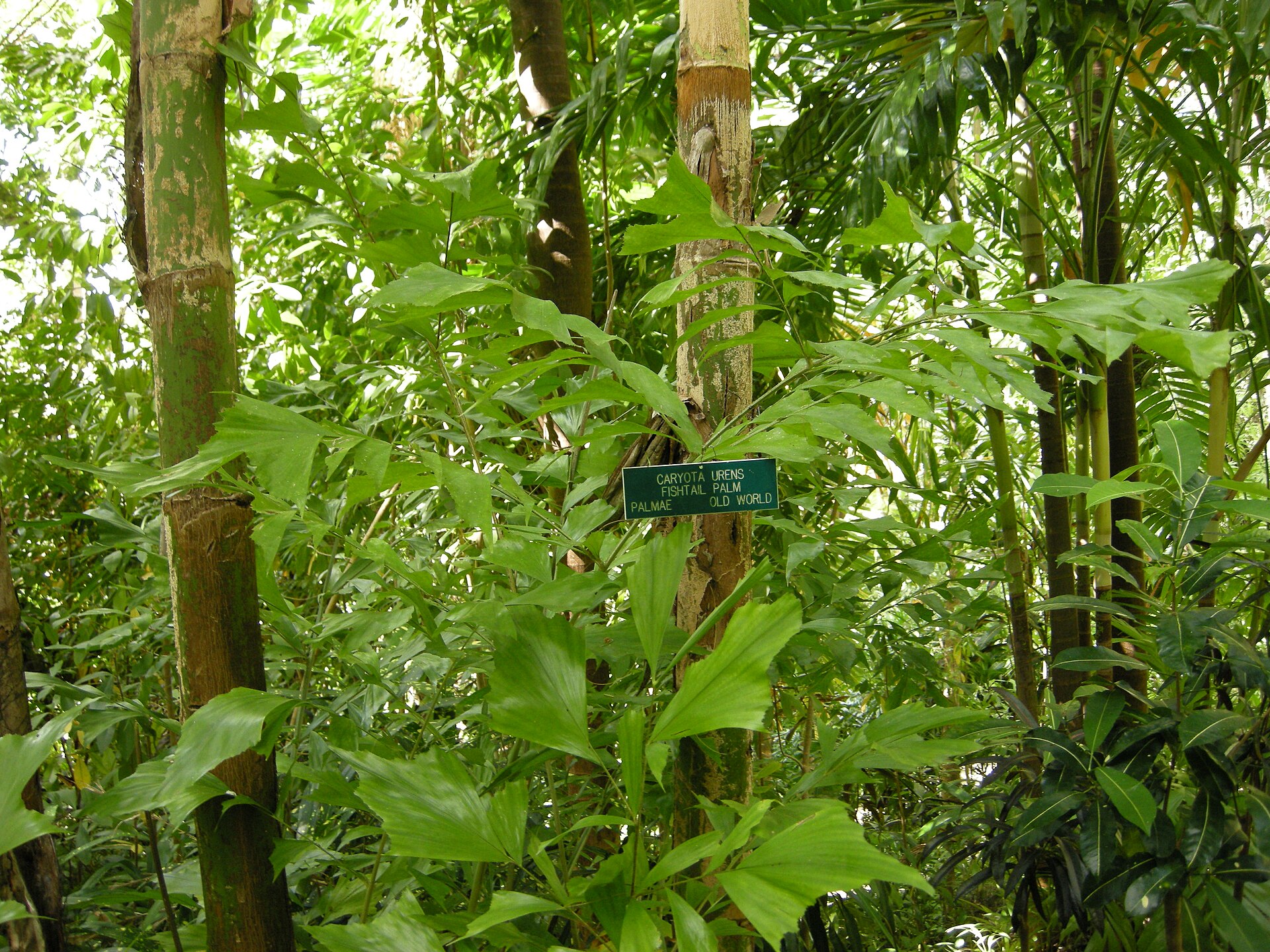
High in the crown of a fishtail palm, a tapper trims the flower stalk so its sweet sap drips into a waiting pot. In the villages of Sabaragamuwa, follow kithul from tree to wood-fired pan, then taste fresh treacle on curd.
Photo: Fuzzform (talk) / Wikimedia Commons · CC BY-SA 3.0
Overview
The kithul palm, Caryota urens, grows in the wetter forests and village gardens of Sabaragamuwa and the surrounding hill country, and tapping it for sap is one of the island’s oldest rural crafts. Tappers climb the tall palms, sometimes crossing between trees on rope walkways, to tend the hanging flower stalks, each prepared and trimmed carefully so that it releases sap over many days.
Spending time with a tapping family, you watch the sap collected and then boiled for hours in a wide pan over a wood fire until it thickens into golden-brown kithul pani, or treacle, or sets into hakuru, a firm jaggery. Your hosts explain how they judge each stage by colour and smell, and how the palm also provides fibre and a starchy flour. The visit ends with a classic pairing: buffalo curd with a generous pour of treacle.
Good to know
- Villages in the Kegalle and Ratnapura districts are typical settings, often combined with Kitulgala or Sinharaja.
- You watch the climbing rather than take part, as it is skilled and dangerous work.
- Sap is usually collected morning and evening, and boiling takes several hours, so we time your visit around the family’s routine.
- Wear closed shoes; after rain, leech socks are useful on village paths.
This visit can be added to any private itinerary, with timing arranged around your journey through the hill country.
Highlights
- Watch tappers at work on kithul palms
- Sap boiled into treacle over a wood fire
- Taste buffalo curd with kithul treacle
- Rural Sabaragamuwa village setting
Included
- Experience coordination; basic activity guidance where applicable
Excluded
- Transport, meals, entrance fees or equipment unless specifically stated
You may also like
 Culture
Anuradhapura
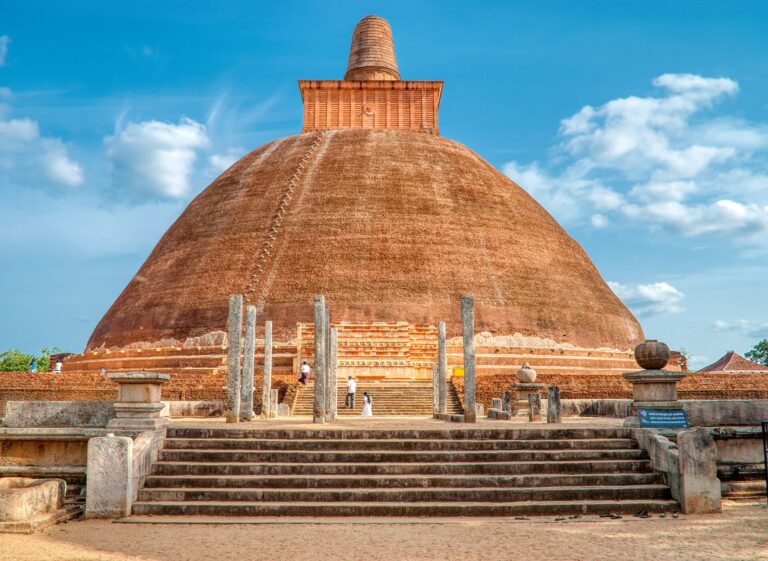
Full Moon Poya Night in Anuradhapura
White-clad pilgrims, oil lamps and the great stupas under a full moon: an evening in the sacred city on a Poya night,…
- 3–4 hours (evening)
- Poya (full moon) days
 Culture
Kandy or your hotel
Hela Sound Healing Session
A sound bath with a Sri Lankan heartbeat: traditional drums played softly and slowly, followed by guided breathing and quiet rest.
- 1–1.5 hours
- Year-round
 Culture
Southern Province
Cinnamon Experience in the South
A thin sheet of inner bark curls away beneath a peeler's brass rod, releasing a warm, sweet scent that fills the shed.…
- 3 hours
- Year-round